
Cure Alzheimer’s Fund

Brand Design


ABOUT THE PROJECT

“We look like stainless steel. Laboratories. And withered hands.”

The CMO of Cure Alzheimer's Fund said it in a single sentence. It wasn't a criticism of the organization—it was a precise diagnosis of the gap between what it essentially was and what it had been presenting to the world. Cure Alzheimer's Fund was rigorous, urgent, and unlike any other nonprofit in medical research philanthropy. Founded by venture capitalists and private equity professionals, its Board and Trustees cover 100% of operating expenses—ensuring that every donated dollar flows directly to research. The model was extraordinary. The design system hadn't yet found a way to say so.

The first task was building that system. Working from the organization's existing logo, we developed a surrounding identity: a refined and expanded color palette, a typographic system, a layout grid, and a considered approach to imagery. Together these elements became the recognizable visual language of the brand—coherent, distinctive, and capable of carrying the organization's identity across every touchpoint without depending on the logo alone for recognition. Over time, the system became the brand.

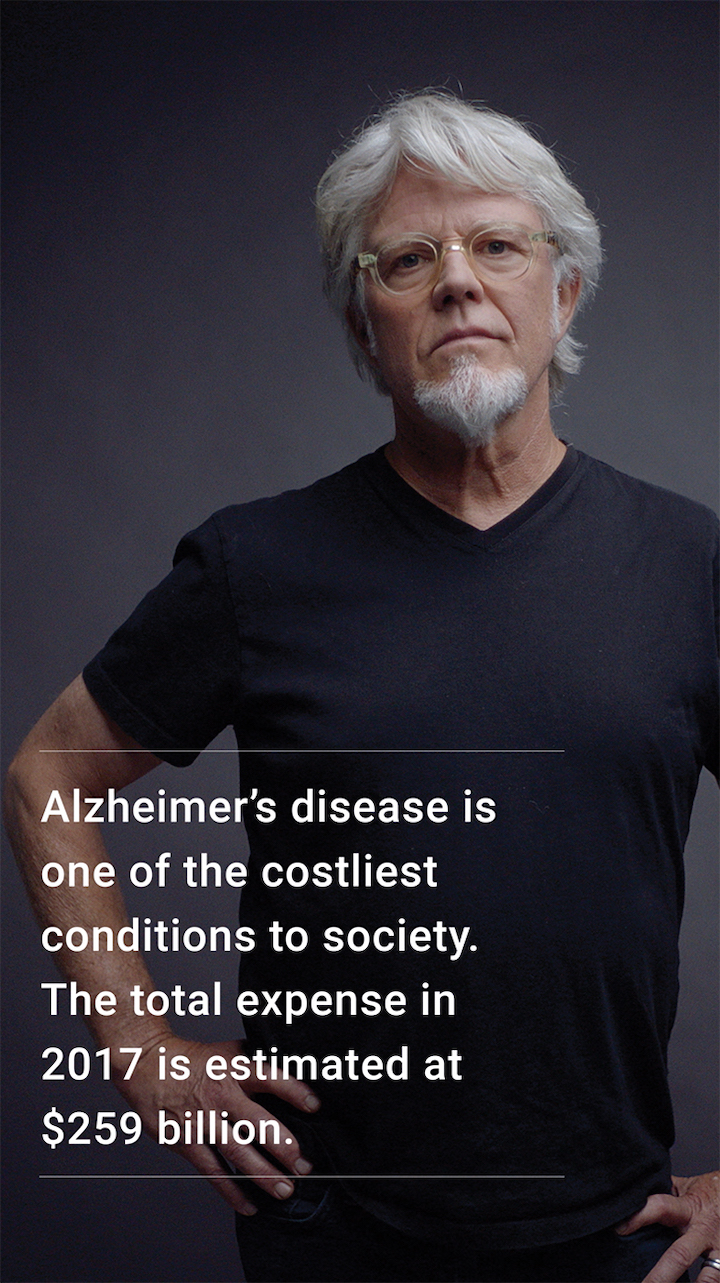
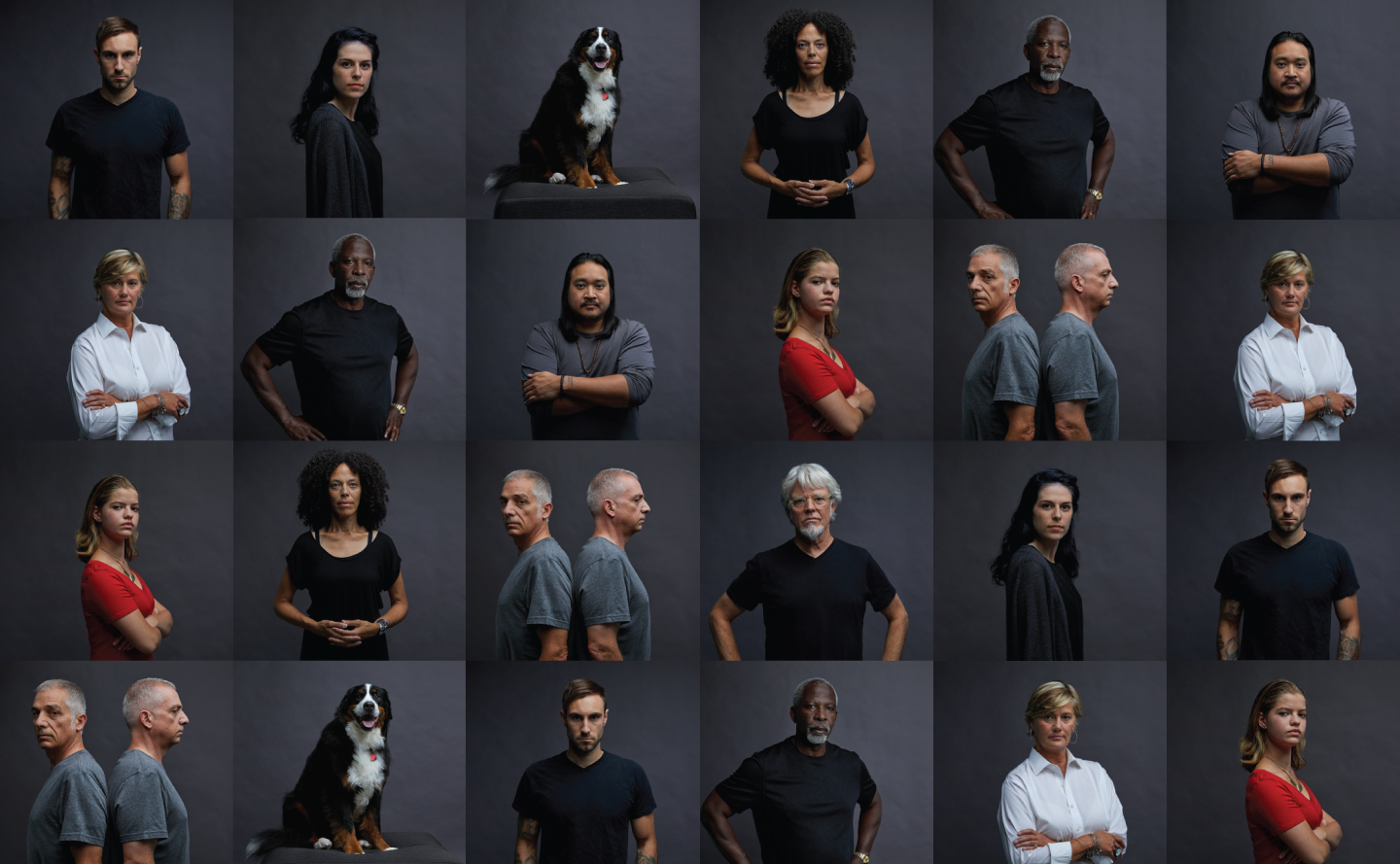
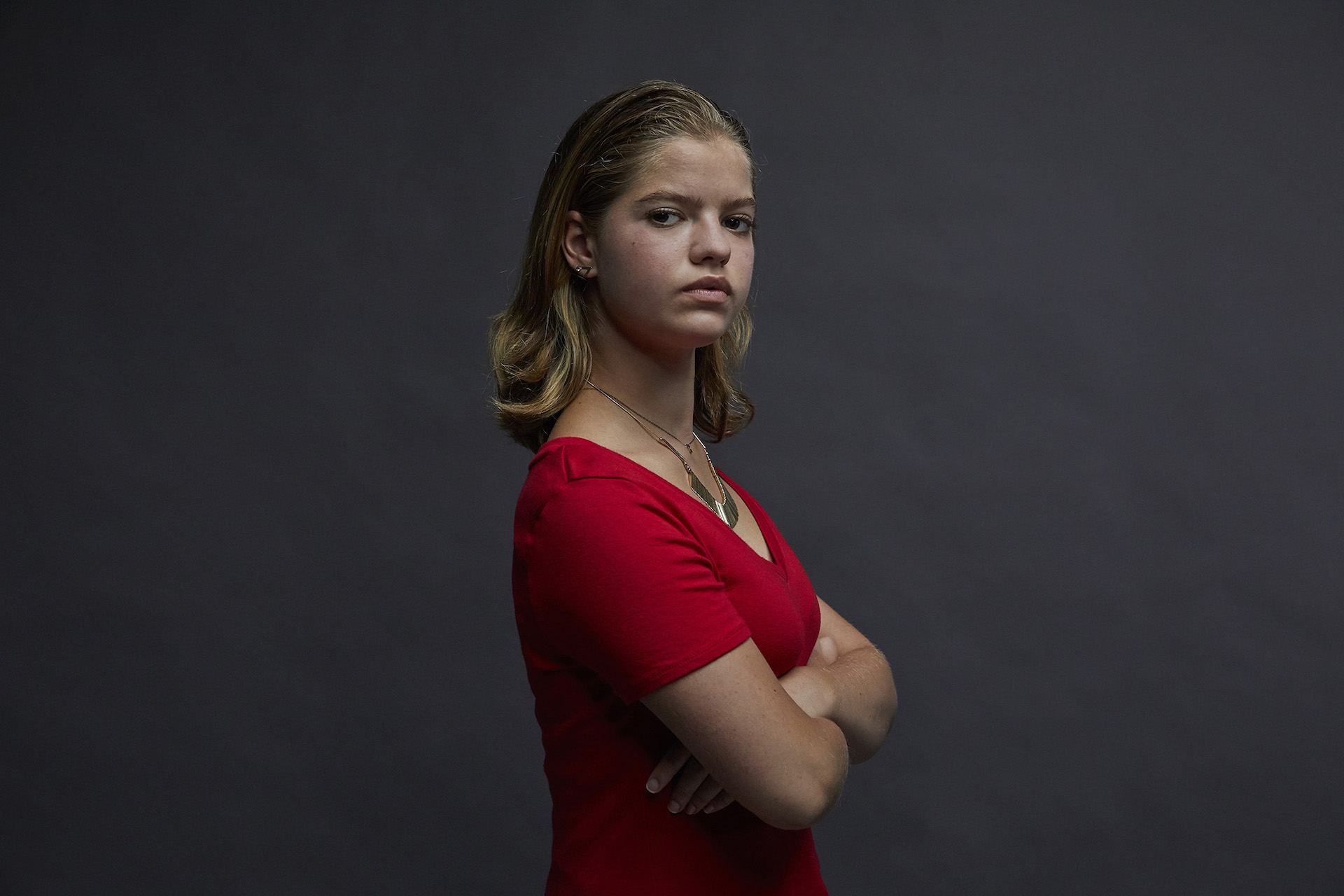
With that foundation in place—a visual language now coherent and distinctive enough to carry weight on its own—we turned to the organization's most pressing design problem: Alzheimer's disease had a face, and it was wrong. The prevailing imagery across the category—elderly patients, clinical environments, the iconography of decline—had calcified into a visual language that was both inaccurate and alienating. The disease begins as much as twenty years before symptoms appear. Two hundred and fifty thousand of its caregivers are children under the age of eighteen. Its face is everyone's face.

That insight drove the campaign. The design approach arrived through an unexpected opportunity: a major shopping mall operator had just installed a new network of interactive kiosks across the country—more than five feet tall, motion-sensing, touch-enabled, capable of video—and was looking for a launch partner. The CMO recognized it immediately.

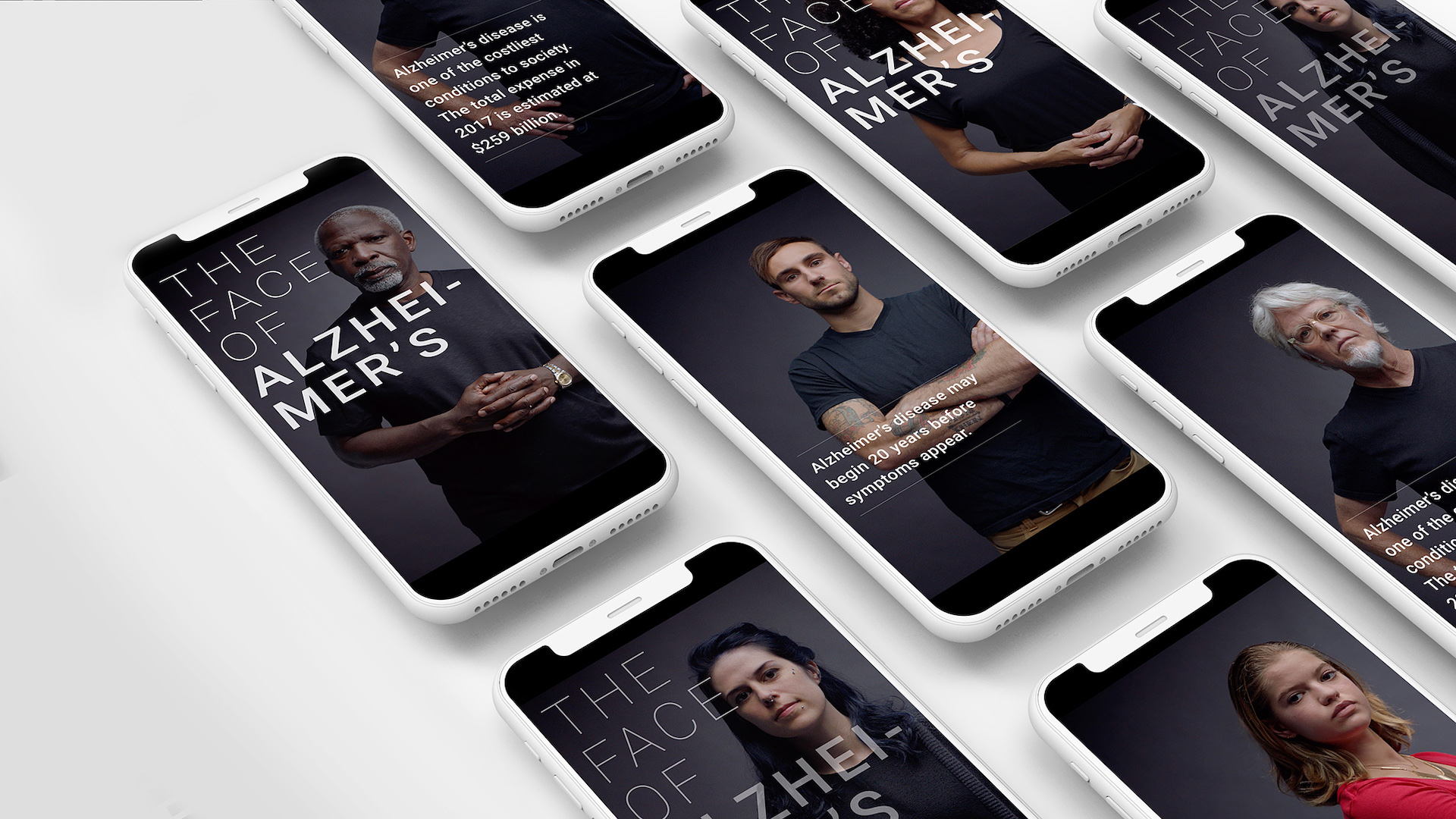
The concept began with a question: what if a portrait, from a distance, looked like a photograph? Stark. Still. Striking enough to stop someone mid-stride. Then, as the motion-sensing camera registered their approach, the image would come to life—slowly, subtly, the subject beginning to move. Type would appear: a statistical statement, deliberately paced, about the reach of the disease. The face on screen was not an elderly patient. It was a young man in his forties. Or a teenager. Someone who looked like the person standing next to you. Then the headline: The Face of Alzheimer's. The statistical revelation and the visual one arriving together. The touch interface opened an interactive experience and a social platform called Face the Disease, where visitors could upload their own portrait in solidarity. The kiosk placement ran nationally for six months at no cost, translating across broadcast, outdoor, and social media.

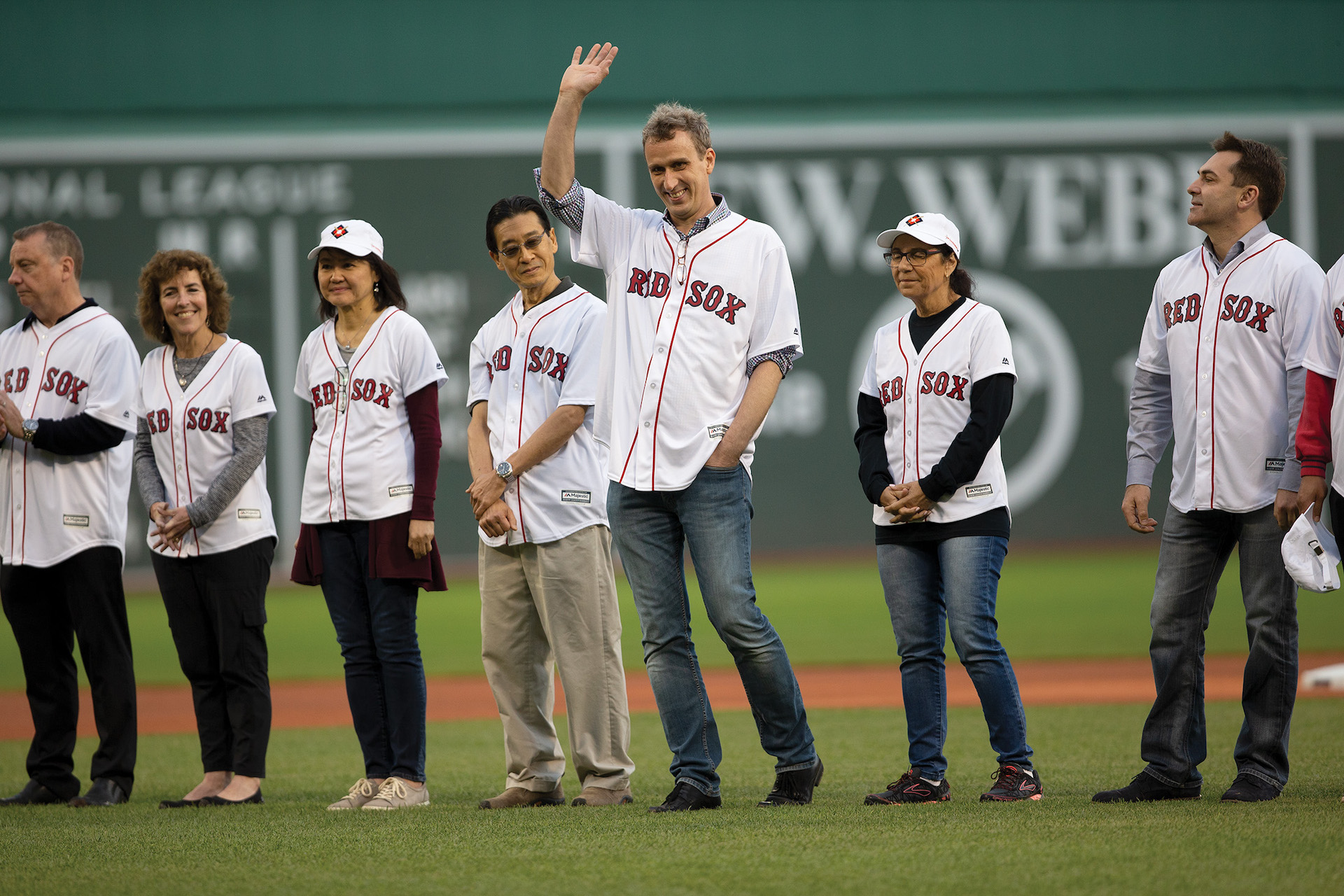
As a follow-on to the campaign launch, we worked with the CMO to produce a full-venue brand takeover of Fenway Park during a Red Sox game. The evening included Cure-funded scientists honored on-field before the game, one of them throwing out the first pitch, and the Quincy Fire Department—whose members hold an annual fundraiser for the organization—serving as the color guard. The Face of Alzheimer's television commercial ran on the scoreboard during the seventh inning stretch. The organization's new PSA premiered before the game. More than 600 Cure guests attended, with swag designed for the occasion. A film crew documented the evening; the footage became both a short film and a commemorative coffee table book for VIPs.

The organization's website was redesigned and built to serve the full complexity of the institution: thousands of pages of research papers, scientific articles, and progress reports; a Heroes & Heroines section celebrating community fundraisers; a robust In Memory section connecting donors to give in the names of loved ones lost; and foundational information about the organization and its model. The site has grown and evolved continuously over the life of the engagement./p>

Brand films produced over the relationship include a piece scored by the Icelandic composer Jóhann Jóhannsson, whose haunting, genre-defying work for films like The Theory of Everything and Arrival made him an unusual but exact fit for a story about a disease that arrives quietly, long before anyone notices. The narration was voiced by Franklin Ojeda Smith, a performer raised in the Sea Islands off the coast of Georgia, whose voice carries the weight of age and the warmth of compassion—qualities the film needed and no other voice could replicate.

The work has been recognized with multiple awards across campaigns and films.

The results compounded the way a kept promise does. In 2015, annual fundraising stood at $11.3 million. In 2025, it reached $55.3 million. That growth is the product of many hands: a board and funding model that extends the impact of every dollar donated, funded scientists who carry the organization's credibility into rooms design never reaches, and a philanthropy team that has spent years deepening relationships with existing donors. Design's role was to give that work a visual language equal to its ambition. During that period the organization crossed a significant milestone, investing over $235 million in Alzheimer's research. Every dollar Cure Alzheimer's Fund committed to research generated an average of 7.8x in follow-on funding from the National Institutes of Health—proof that the venture philanthropy model, made visible and legible through design, has helped the organization tell its story on a scale worthy of its work.

Brand Film: “Night Sky”

Brand Film: “The Call”
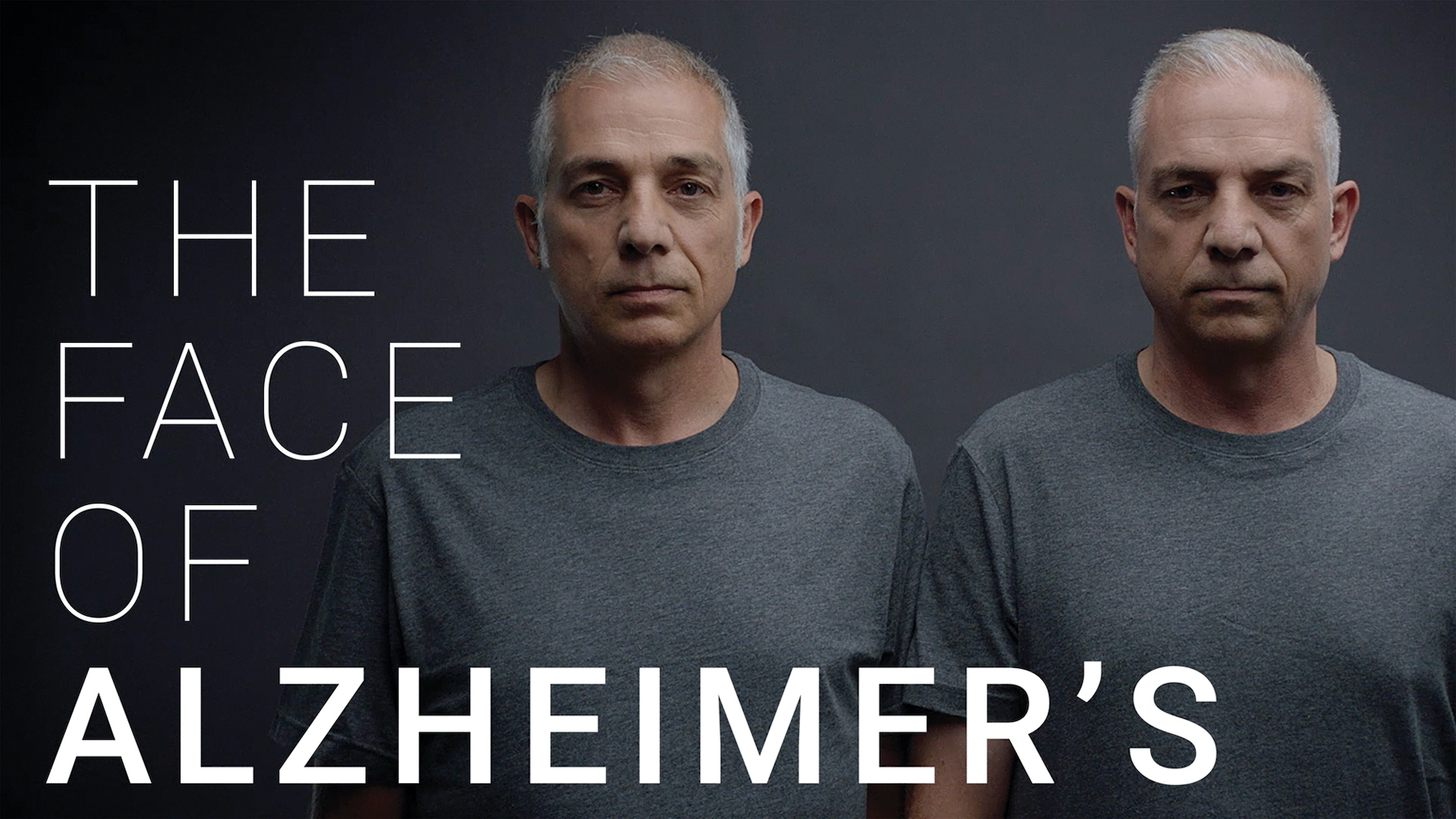
“The Face of Alzheimer’s” Awareness Campaign

Shopping Mall Interactive Kiosks
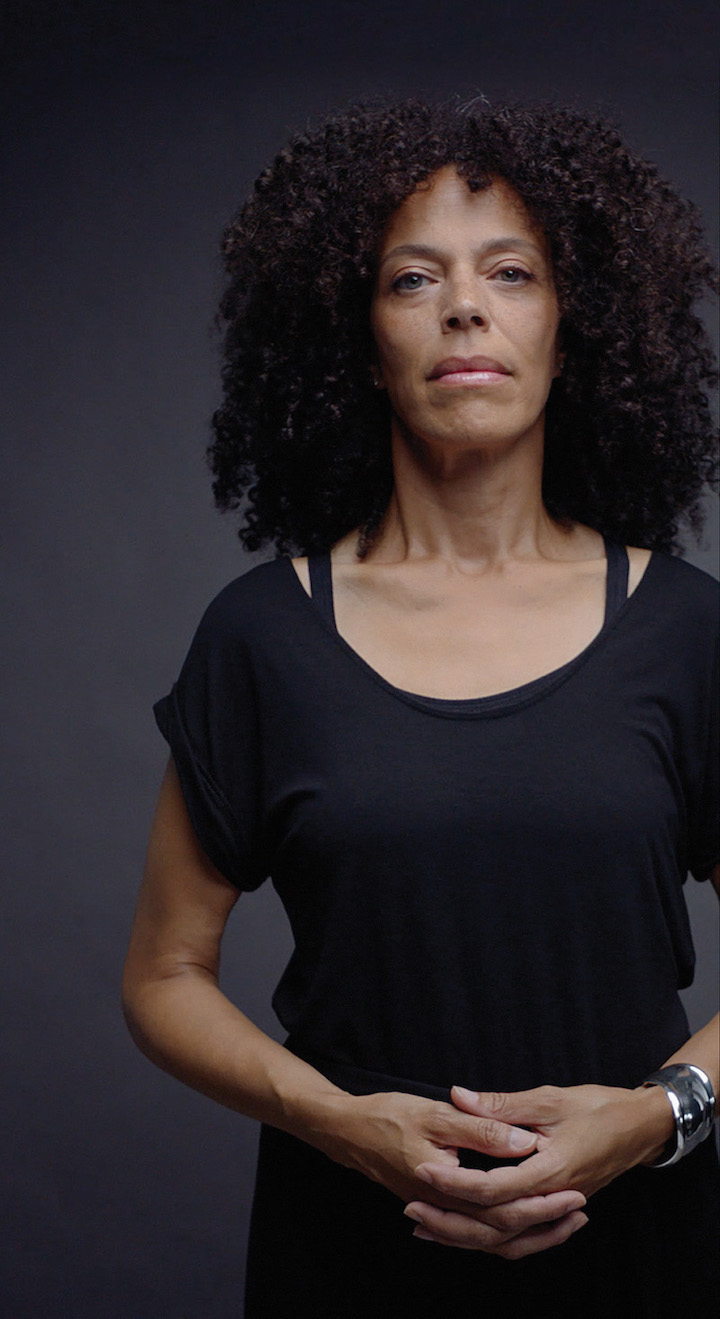
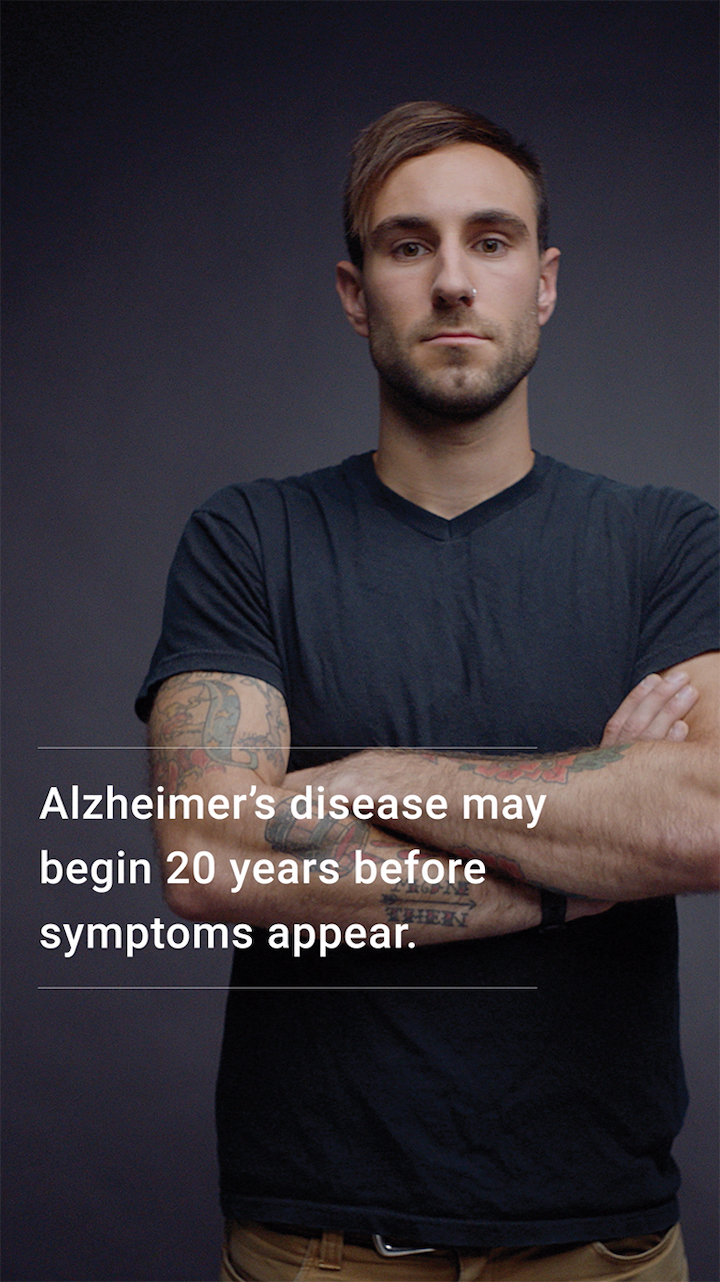
Campaign Experience on Website

Brand Film: “The Face of Alzheimer’s”
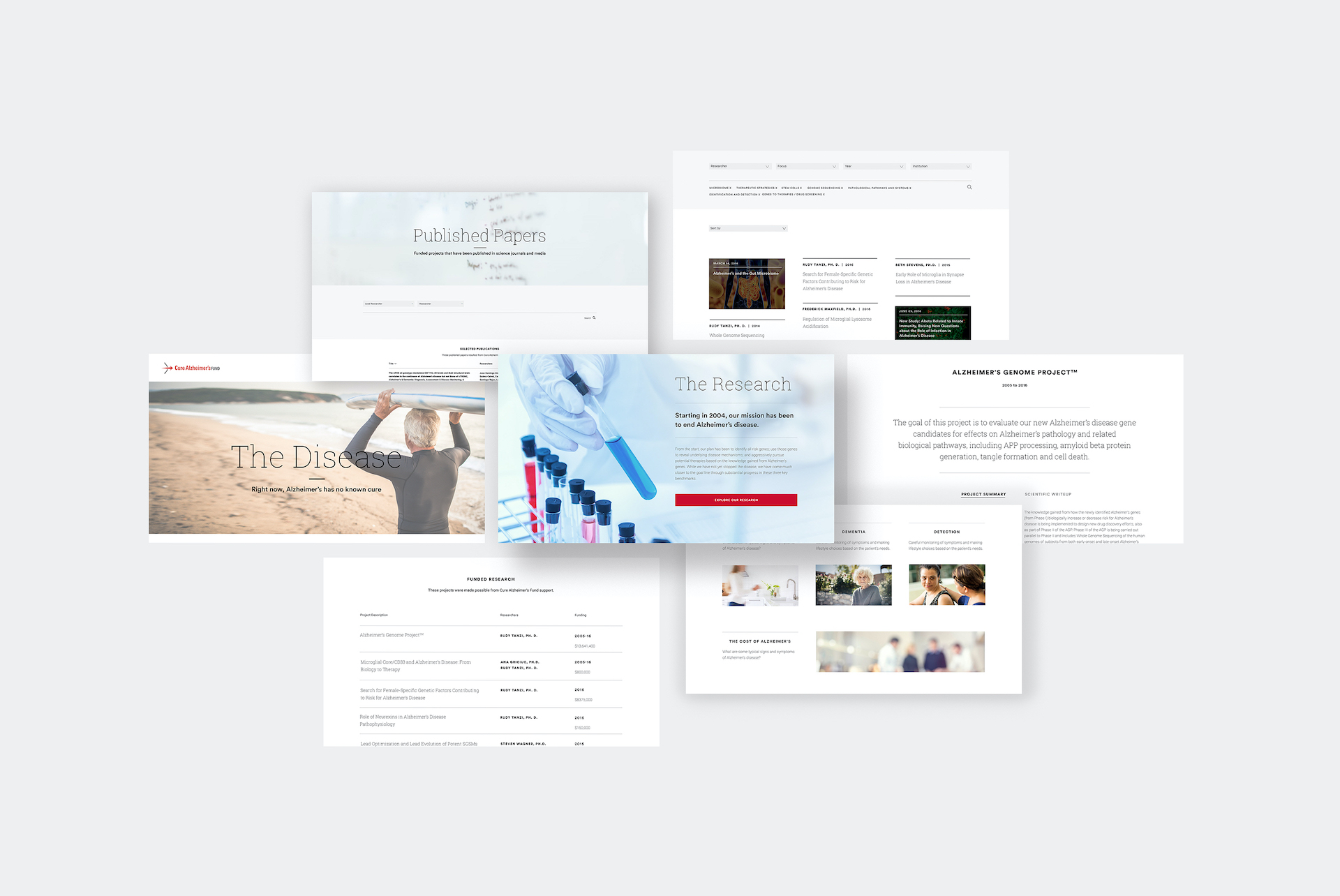
Website Pages, Including Searchable Research Archive
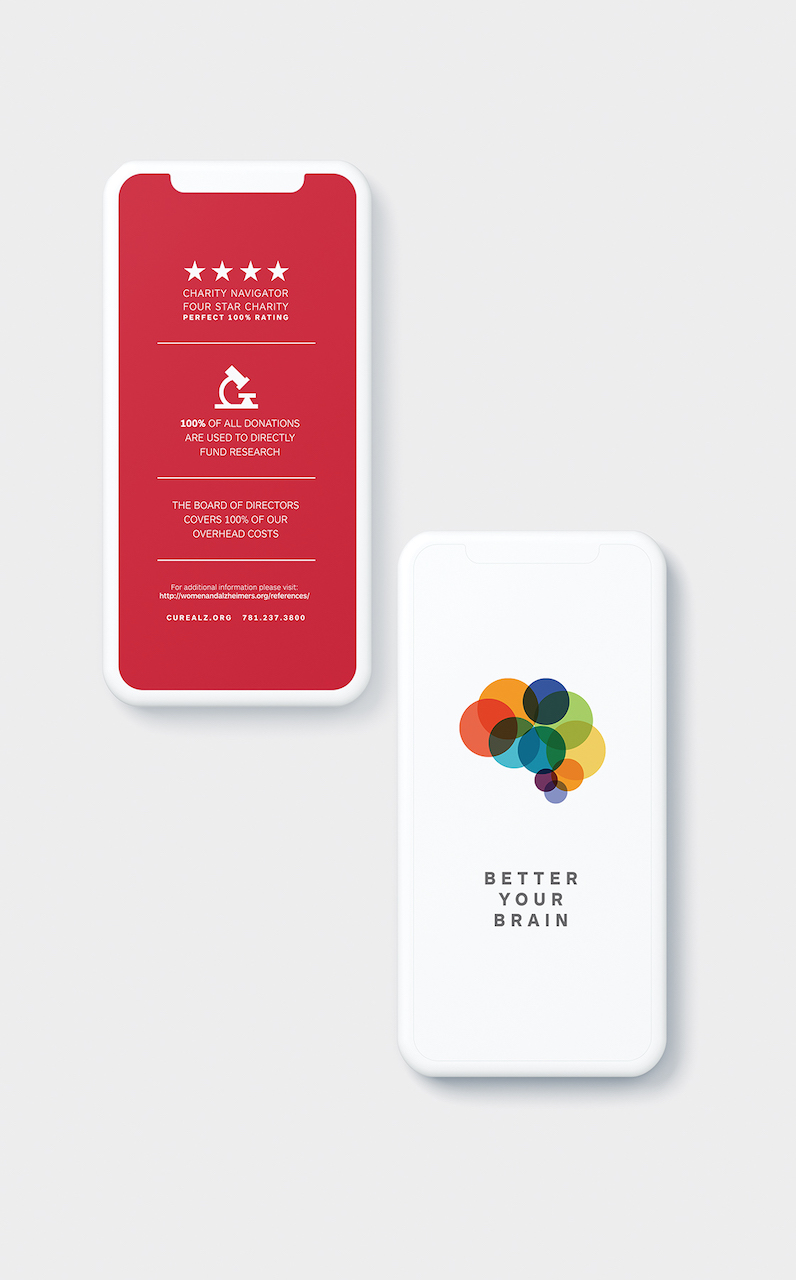
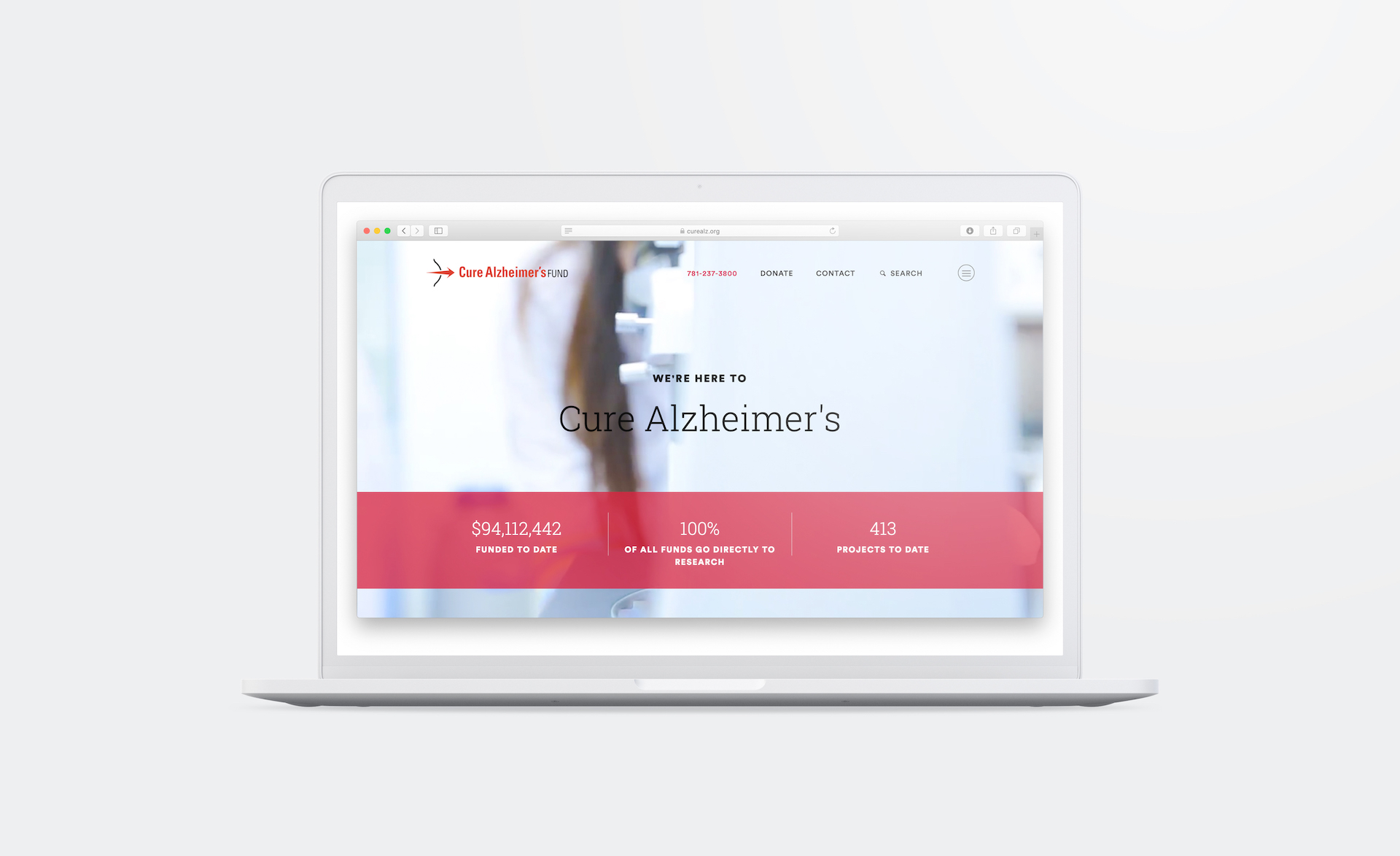
Website Strategy, Creative, and Development

Public Service Announcement: “The Only Path To A Cure”
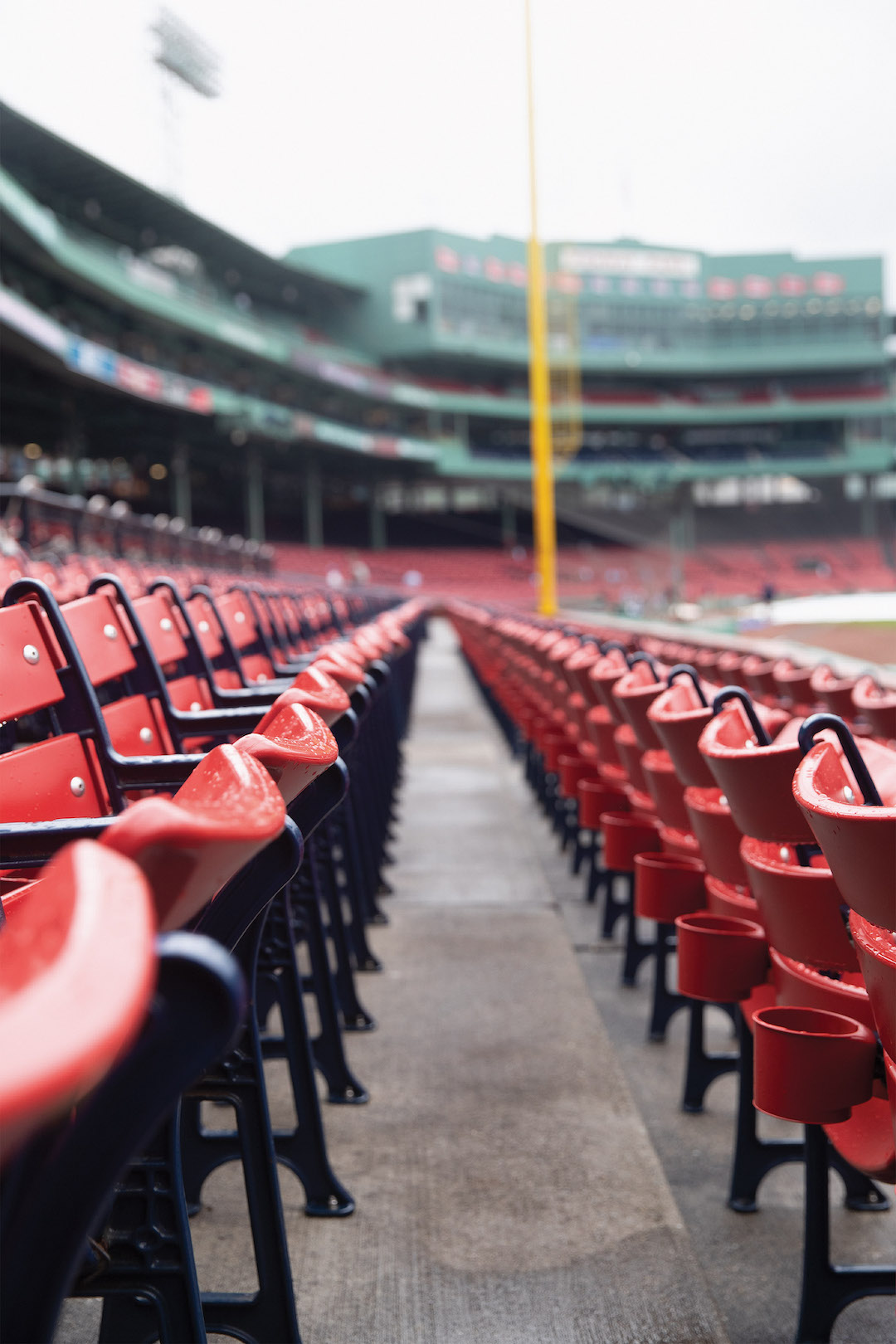
“Cure Alzheimer’s Fund Night with the Red Sox”, Fenway Park Takeover Event
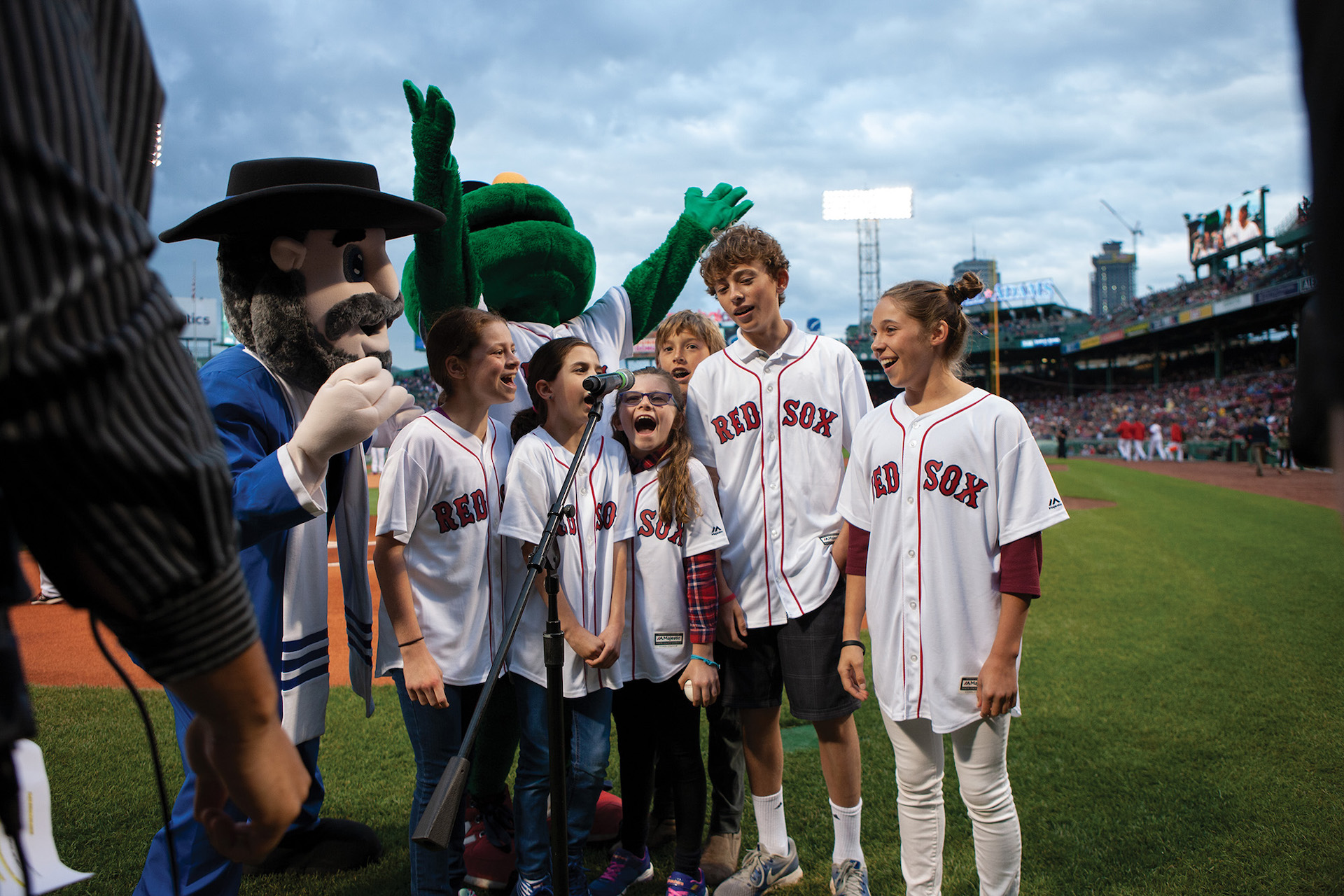
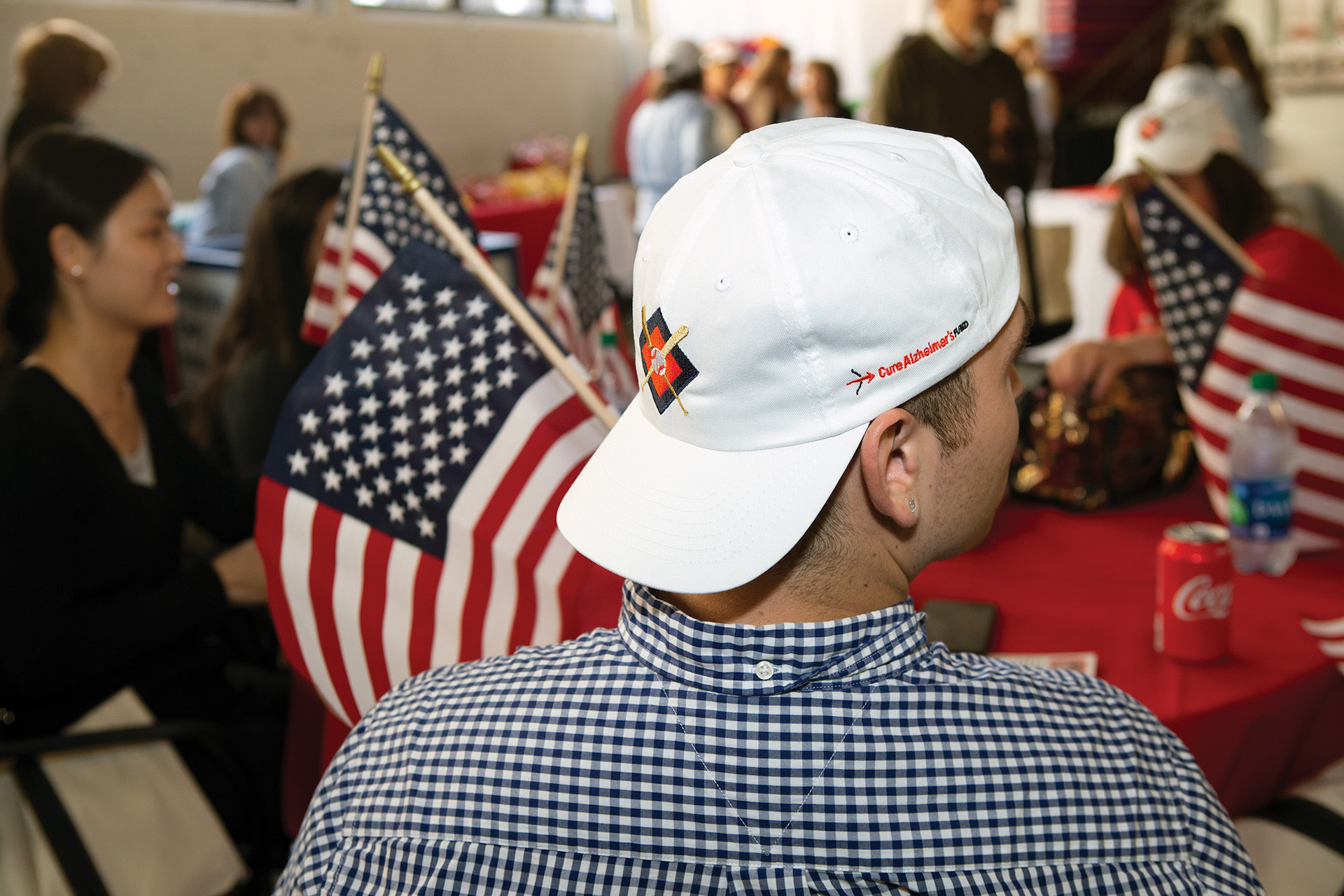
Honoring Cure Alzheimer’s Fund Scientists During Pregame Ceremonies
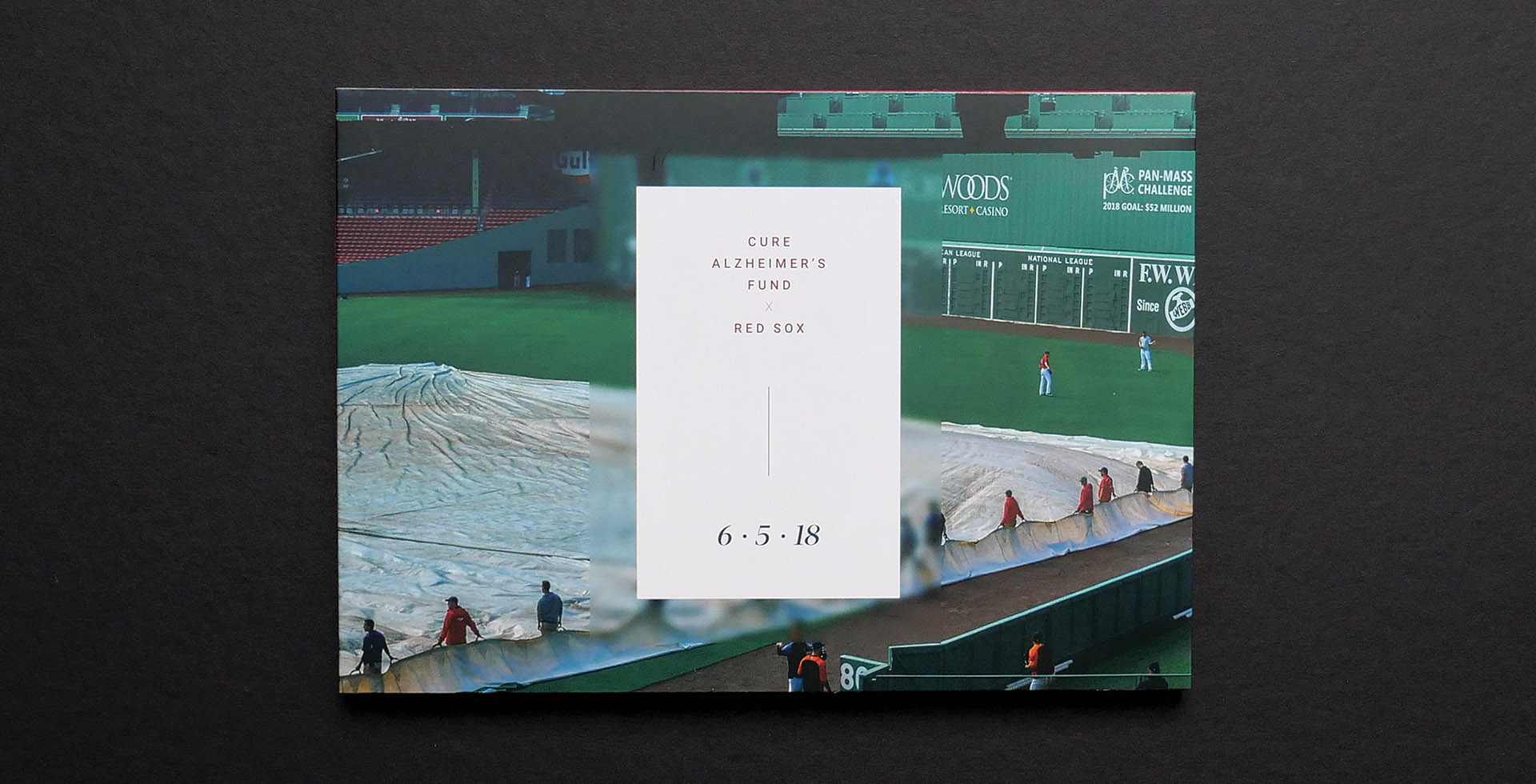
Memorial Video Book

Memorial Video: Cure Alzheimer’s Fund Night at Fenway Park